


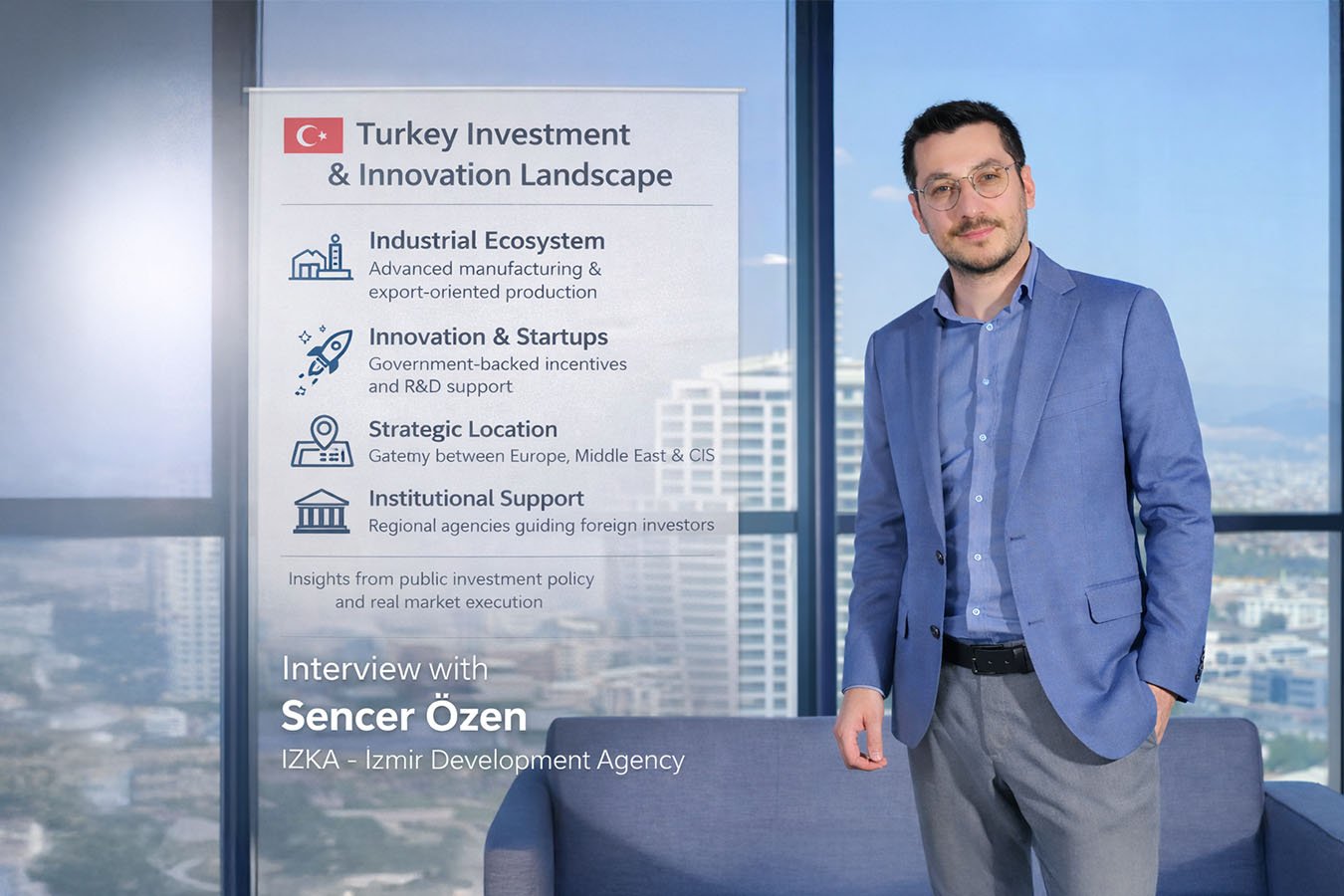
Researching startup support in İzmir quickly produces a long list of institutions: İZKA, KOSGEB, TÜBİTAK, Teknopark İzmir, university incubators, investor networks and accelerators. The problem is rarely the absence of programmes. It is applying to all of them with the same file before understanding the company’s stage.
An incentive does not rescue a weak business model. Used at the right moment, it can accelerate product development, specialist hiring, testing, internationalisation or capacity investment. The first question should therefore not be “Which grant is available?” but “Which measurable threshold must this company cross during the next 12 months?”
Place the company in the right category first
| Stage | Primary need | Wrong first move |
|---|---|---|
| Idea | Customer problem, prototype and founder alignment | Registering a company and renting an office |
| Prototype, no revenue | Pilot customer, technical validation and IP | Preparing five grant applications |
| Early sales | Repeatable sales, team and cash plan | Hiring a large team before repeat revenue |
| Scale-up | Capacity, exports, investment and process | Entering every market simultaneously |
| Innovation in a traditional SME | Digitalisation, machinery, efficiency and market | Presenting the company as a tech startup |
İzmir’s institutions do different jobs
İzmir Development Agency (İZKA) is a useful early contact for regional priorities, investment guidance, entrepreneurship and internationalisation programmes. Announcements such as the 2026 fifth Accelerate İzmir cohort and the Local Development Initiative investment areas show why founders must follow current calls rather than relying on an old list.
KOSGEB operates different programmes for entrepreneurs, business development, capacity growth and digital transformation. Application period, sector, company age, eligible expense and assessment method vary. “A KOSGEB grant” is not a complete financing plan; read which cost is supported, from which date and under what performance conditions.
TÜBİTAK generally applies a more technical assessment to R&D-intensive projects. The problem, innovation, method, team competence, work packages and commercialisation plan must support each other.
Technoparks and incubators are not simply discounted offices. For qualifying companies, the definition of R&D activity, staff time, project registration and the nature of revenue matter. When tax advantages are part of the model, the accountant, technopark management and project team must use the same activity definition.
Prepare the application like an investment case
- Problem: Whose cost or risk are you reducing?
- Evidence: Interviews, pilots, pre-orders or usage data?
- Solution: What is technically or commercially different?
- Market: Which reachable first segment—not a generic billion-dollar market?
- Team: Who performs the critical work and which competence is missing?
- Budget: Which output does each expense produce?
- Timeline: What measurable result exists after six months?
- Sustainability: How does revenue or financing continue after support?
Statements such as “we will use AI”, “we will export” or “the market is huge” are not evidence of innovation or feasibility. Connect technical work packages to customer validation.
A six-week İzmir starting plan
Week 1: validate problem and buyer
Interview at least ten potential customers. Ask about the current solution, budget, decision-maker and buying timing before presenting your product.
Week 2: map institutions
Match current İZKA, KOSGEB, TÜBİTAK and technopark calls to the next business threshold. Eliminate ineligible routes before investing in the application.
Week 3: company and intellectual property
Document founder equity, the founders’ agreement, brand, software code, potentially patentable elements and rights created by employees or suppliers.
Week 4: budget and cash
Check whether support is advance, reimbursement or performance-based. Include VAT, guarantees, co-financing and payment delay in the cash plan.
Week 5: pilot and measurement
Separate technical success from commercial success. A working prototype is not the same as a paying customer.
Week 6: application decision
Apply when the project genuinely fits. When it does not, avoid reshaping the product around the wording of a call and continue building customer evidence.
Additional checks for foreign founders
Company ownership does not automatically create a right to work. Residence status, work permission, tax residence, capital transfers and banking are separate issues. An English pitch deck is not enough; appoint accountable Turkish-language support for official and accounting processes.
Expert analysis
This is an independent OnlineIzmir implementation guide. For Mauro Benigno’s longer interview-based analysis of incentives, grants and the Turkish startup ecosystem, read Turkey Startup Ecosystem Unlocked: Incentives, Grants & Government Support.
OnlineIzmir view: A good incentive strategy is not applying to the largest number of programmes. It is identifying the company’s next critical threshold and selecting only the support that can accelerate it.