


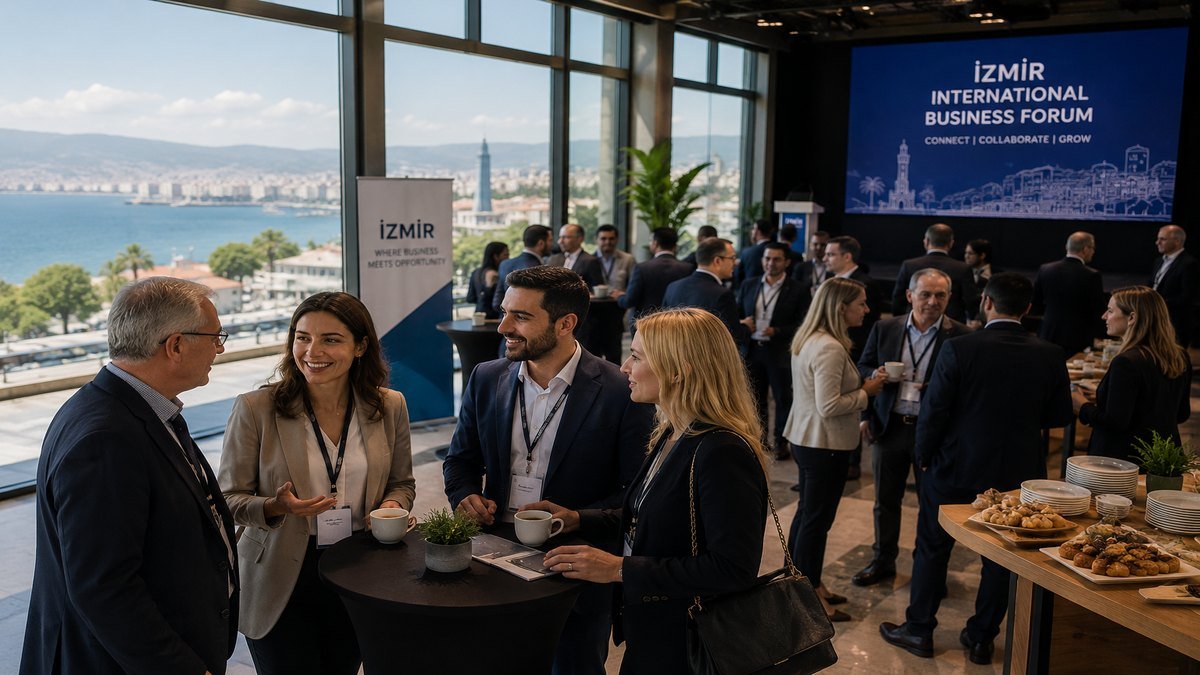
An international trade fair is not a flight, a stand and a pile of brochures. Many startups travel with great energy, return with hundreds of contacts and conclude a month later that the event “did not work”. The problem is often not the fair. It is the absence of a clear target, message and follow-up system before the doors opened.
Business development begins roughly eight weeks earlier. The goal is not to meet as many people as possible, but to prepare the right 20–30 conversations and manage what happens afterwards.
Eight weeks before: choose one primary objective
Finding a distributor, meeting investors, validating a customer problem and identifying a technology partner require different preparation. “Brand awareness” is too vague to guide decisions.
Translate the objective into numbers: 30 target organisations, 12 pre-arranged meetings, five qualified follow-ups and two technical or commercial proposals within 60 days.
Six weeks before: build the target list
Review exhibitors, speakers and partners. Divide them into three groups: must meet, useful to meet and opportunistic. Write one sentence explaining why each organisation matters.
A first message should be concise:
“We build an İzmir-based system that helps food manufacturers identify energy loss in real time. Your production footprint suggests a similar challenge may exist. Would a 20-minute meeting during the event be useful?”
Design a conversation, not a presentation
A buyer or investor rarely wants 30 slides at the first meeting. Prepare a clear three-minute explanation:
- Which specific problem do you solve?
- What does the customer do today?
- Why is your approach better or more economical?
- What evidence do you have?
- Which next step are you requesting?
For technical products, prepare an offline video or screenshots in case venue internet fails.
Explain the İzmir advantage commercially
“İzmir is a beautiful city” is not a business case. Port access, manufacturing clusters, the food and agriculture ecosystem, universities and the city’s ability to attract talent are more relevant. Show how location improves cost, recruitment, testing or customer access.
During the event: leave space in the calendar
Twelve back-to-back meetings may look productive, but they leave no time for delays or useful notes. Keep at least 15 minutes between important conversations. End each meeting with a defined next step: technical document, sample, second call, quotation or introduction.
Record three things immediately: the need, the decision process and what you promised to send.
Common stand mistakes
A team staring at phones discourages visitors. Too much text hides the product. Long conversations with people interested only in giveaways can block a serious buyer.
The message should be understandable in three seconds. “Transforming the future with smart solutions” says very little. “We identify energy loss in cold-storage facilities” gives someone a reason to stop.
The 48-hour rule
Waiting two weeks to follow up loses momentum. Within 48 hours, send a personalised message, the promised material and a proposed date. Refer to the actual conversation rather than attaching the same generic deck to everyone.
If there is no response, make one useful second attempt. Do not automatically place every badge scan into an endless newsletter sequence.
Review the event after 60 days
Do not measure success by business cards or LinkedIn connections. Count second meetings, proposals, active sales stages and repeated objections. Include travel, stand cost and team time when calculating return.
A well-prepared fair can place a small İzmir company at the same table as an international buyer. A poorly prepared one becomes an expensive city break. The difference is often not product quality, but whether the event was managed as a serious commercial project.
An eight-week operating plan
| Time | Decision | Deliverable |
|---|---|---|
| 8 weeks before | Define one commercial objective | Buyer profile and 30-account target list |
| 6 weeks | Start outreach | 10–15 confirmed meetings |
| 4 weeks | Localise proof | One-page case study, pricing logic, compliance answers |
| 1 week | Protect execution | Calendar, routes, demo backup, follow-up owner |
| 48 hours after | Convert attention | Personalised recap and agreed next step |
Score leads before the event
Give each account 0–5 points for problem fit, budget, decision authority, timing and strategic value. Spend the best hours on the highest total, not on the most famous logo. A small distributor ready to test in 30 days may be more valuable than a global corporation with no owner for the project.
Budget beyond the stand
Travel, samples, translation, shipping, local transport, insurance, lead research and two months of follow-up often cost more than the ticket. The event budget should include the work required to close business after everyone returns home.
Official and useful links