


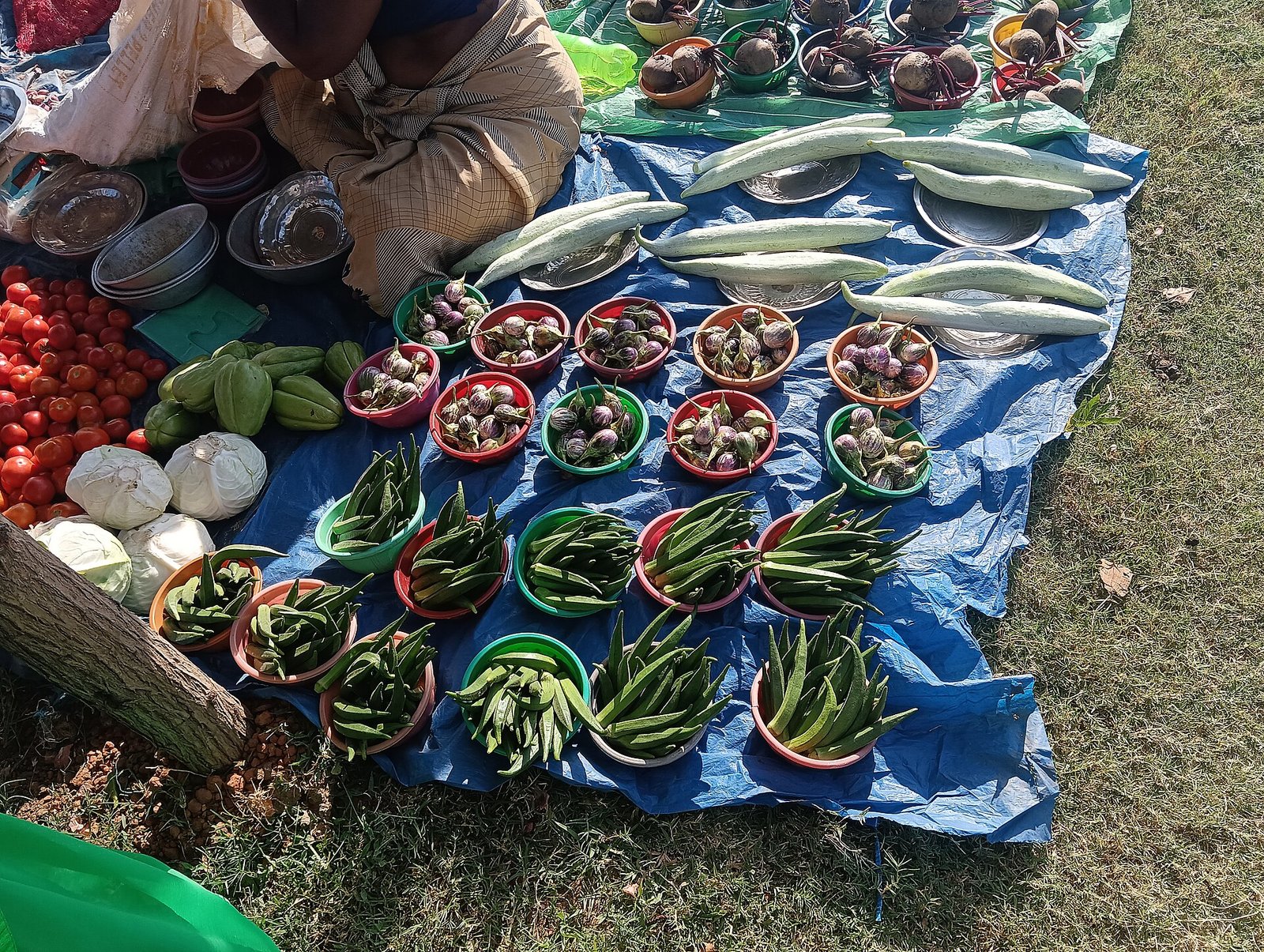
Shopping “local” in İzmir can mean three very different things: a neighbourhood bazaar where growers and wholesalers share the same aisle, a producer market built around cooperatives, or a certified organic market where documents and residue controls are part of the system. They are not interchangeable—and none guarantees that every stall is cheap, fresh or genuinely farm-direct.
The useful question is not simply “Where is the farmers’ market?” It is: which market suits what you need, what should a realistic basket cost, and how can you tell a serious producer from a good sales story?
Choose the right market for the job
| Market | When and where | Best for | What to know |
|---|---|---|---|
| Kültürpark Producer Sales Area | Wednesday, Kültürpark near Lozan Gate, Konak | Seasonal produce, tarhana, erişte, village bread, preserves, olive oil and honey | The municipality currently lists 50 cooperatives and around 270 producers. “Producer market” does not automatically mean certified organic. |
| Buca Kasaplar Square Producer Area | Thursday, Kasaplar Meydanı, Buca | Produce from Buca villages, eggs, dairy and home-style preserved foods | The city originally described roughly 60 stalls. Confirm the current setup through 153 before making a special journey. |
| Ekopazar Balçova | Tuesday 09:00–13:00, Kızılkanat Park, Bahçelerarası, around Mithatpaşa Cd. No:42 | Certified organic fruit and vegetables, olive oil, pulses and nuts | “Organic” here is backed by certification checks. Choice is smaller and popular items can disappear before noon. |
| Ekopazar Bostanlı | Friday 07:00–13:00, Bostanlı Covered Market, Hasan Ali Yücel Boulevard, Karşıyaka | Certified seasonal produce and buying repeatedly from the same growers | Arrive before 10:00 for the best choice. Prices can exceed an ordinary bazaar because certification and low-volume production have costs. |
| Bergama Local Producer Market | Saturday, İttihat-i Terakki Square—locally known as Domuz Alanı, Bergama | District produce, bread, olives, cheese and seasonal rural products | It makes most sense as part of a Bergama day rather than a food-only trip from central İzmir. Confirm the schedule and return transport. |
A weekday fallback: İZMAR is not a farmers’ market. It is the municipal retail network run by İZTARIM. It is nevertheless useful for packaged cooperative products, transparent shelf prices and a benchmark before buying oil, cheese or staples from an informal stall. The official site listed 22 branches and a mobile unit in April 2026.
A realistic July 2026 price compass
Bazaar prices are not fixed tariffs. District, grade, weather and the hour of the day can change the label. The ranges below are planning figures based on wholesale and retail market reports around 21 July 2026—not promises about what a particular stall will charge.
| Product | Reasonable ordinary-market retail range | What changes the price? |
|---|---|---|
| Tomatoes | 35–60 TL/kg | Pink/village varieties, ripeness and bruising |
| Cucumbers | 25–45 TL/kg | Small “badem” cucumbers usually cost more |
| Peppers | 50–90 TL/kg | Çarliston, sivri, kapya and hot varieties differ sharply |
| Aubergines | 30–50 TL/kg | Shape, size and grade |
| Green beans | 80–120 TL/kg | Variety and how much trimming is required |
| Watermelon | 10–20 TL/kg | Whole versus cut, origin and ripeness |
| Peaches / nectarines | 40–80 TL/kg | Size, variety and bruising |
| Parsley, rocket, dill | 15–30 TL per bunch | Bunch size and freshness |
Certified organic produce can be higher. Do not compare only the tomato price: certification, smaller harvests, losses and direct selling are part of the cost. That still does not justify any price. Compare two growers and ask what is abundant that week.
What should a one-week basket cost?
For two adults, imagine 1.5 kg tomatoes, 1 kg cucumbers, 750 g peppers, 1 kg aubergines, 500 g beans, 3 kg watermelon, 1.5 kg peaches or nectarines and three bunches of greens. At mid-range prices, the fruit-and-vegetable part comes to roughly 430–600 TL.
Add 30 eggs, half a kilo of cheese and one jar or packet of olives, tarhana or preserves, and a realistic total becomes 750–1,100 TL. A certified organic basket or small-batch packaged goods can cost more. The biggest saving is rarely the cheapest stall; it is not throwing away half the basket on Thursday.
Olive oil: “early harvest” is not a quality certificate
İZMAR’s current price page lists five litres of extra-virgin olive oil at 1,690 TL—about 338 TL per litre. Use that as a benchmark, not a verdict. Small-volume oil, a named cultivar or genuinely early harvest can be more expensive.
Ask four questions before buying:
- Which harvest year is this?
- Which olive variety and production area?
- Who produced or bottled it, and is there a lot number?
- Was the tin or dark bottle stored away from heat and light?
A clear plastic bottle standing in the sun is a stronger warning than a romantic label can fix. “Cold pressed”, “early harvest” and low acidity matter, but none proves that the oil is fresh, well stored or genuinely from the person selling it. For a large purchase, buy a small container first and request a receipt or invoice.
Honey: ignore the flame, spoon and water tricks
“Village honey”, “healing” and “pure” are easy claims. A serious packaged product should identify the producer or food business, net weight, lot, date and storage conditions. If it is sold as pine or flower honey, ask where and when it was produced.
Crystallisation does not by itself mean adulteration. Viral tests involving burning, dripping honey into water or watching how it sticks to a spoon are not reliable laboratory methods. For repeat purchases, choose traceable packaging and ask whether analysis information is available.
Cheese, yoghurt, eggs and the cold-chain test
For comparison, İZMAR currently lists white cheese at 325 TL/kg, several tulum cheeses at roughly 300–450 TL/kg and 1.5 kg yoghurt at 80 TL. A market product may be different in quality and scale, but these numbers help you ask why an unlabelled half-kilo cheese costs 500 TL.
- Do not buy dairy that has been sitting in direct sun or without visible cooling.
- For unpackaged cheese, ask the milk type, production date and storage requirement.
- Avoid cracked eggs, dirty reused cartons and packs without a date.
- In summer, buy chilled goods last and use an insulated bag if the journey home is long.
“Natural”, “village product” and “organic” are not synonyms
“Doğal” and “köy ürünü” are usually marketing descriptions. They do not prove that no pesticides were used, that the food was processed in a registered facility or that a laboratory checked it. An organic claim should have a certification and labelling trail.
At Ekopazar İzmir, the municipality, agricultural authorities, ETO and district municipalities check certificates, seller documents, quantities and residue controls. Asking to see an organic certificate is not rude; it is how the system is meant to work.
Seven common traps
- Per kilo or per piece? Clarify the unit for artichokes, melons, avocados and prepared packs.
- Beautiful produce on top, bruised produce underneath: See what actually goes into your bag.
- The scale is not at zero: Stand where you can see the display and ask for a second weighing if necessary.
- The “my own garden” story changes: Ask the village, harvest day and approximate volume. Inconsistent answers matter.
- Oil, honey or tomato paste stored in sunlight: Heat damages quality even when the container looks intact.
- Processed food with no label: Preserves, sauces and cheese without producer details and dates carry more risk.
- Buying too much because it is cheaper late in the day: Five kilos that spoil are not a bargain.
A smarter 45-minute market method
Do one lap without buying. Note prices, general quality and which stalls are busy for the right reasons. On the second lap, buy three main vegetables, two fruits and one unfamiliar seasonal item. Buy delicate greens and fruit last; keep jars and oil at the bottom of the bag.
Carry reusable bags, a few thin produce bags, an insulated bag and some cash. Card acceptance is inconsistent. Returning to one good seller for several weeks is often more valuable than aggressive bargaining: once they understand how you cook, they may tell you what is excellent today and what will arrive next Friday.
OnlineIzmir’s practical shortlist
- Largest cooperative mix: Kültürpark on Wednesday.
- Certified organic: Balçova on Tuesday or Bostanlı on Friday.
- Buca village products and neighbourhood shopping: Kasaplar Square on Thursday.
- A rural-food day trip: Bergama on Saturday.
- Clear prices and standard weekday shopping: your nearest İZMAR branch.
Price note: These are July 2026 planning ranges and can move quickly. Confirm market days through the municipal list or 153, and check the İzmir wholesale-price page and İZMAR’s live product page before publishing or making a special trip.
Official and useful links