


İzmir’s public transport can look fragmented: ESHOT buses, metro, İZBAN, trams and ferries. New residents often try to learn each system separately and make the city feel more complicated than it is. A more useful mental model is simple: use rail or ferry for the long section, then solve the first and final kilometre by bus or walking.
You begin to move confidently not when you know every route, but when you understand one main spine, two transfer points and a backup way home.
Start with the gulf and the rail spine
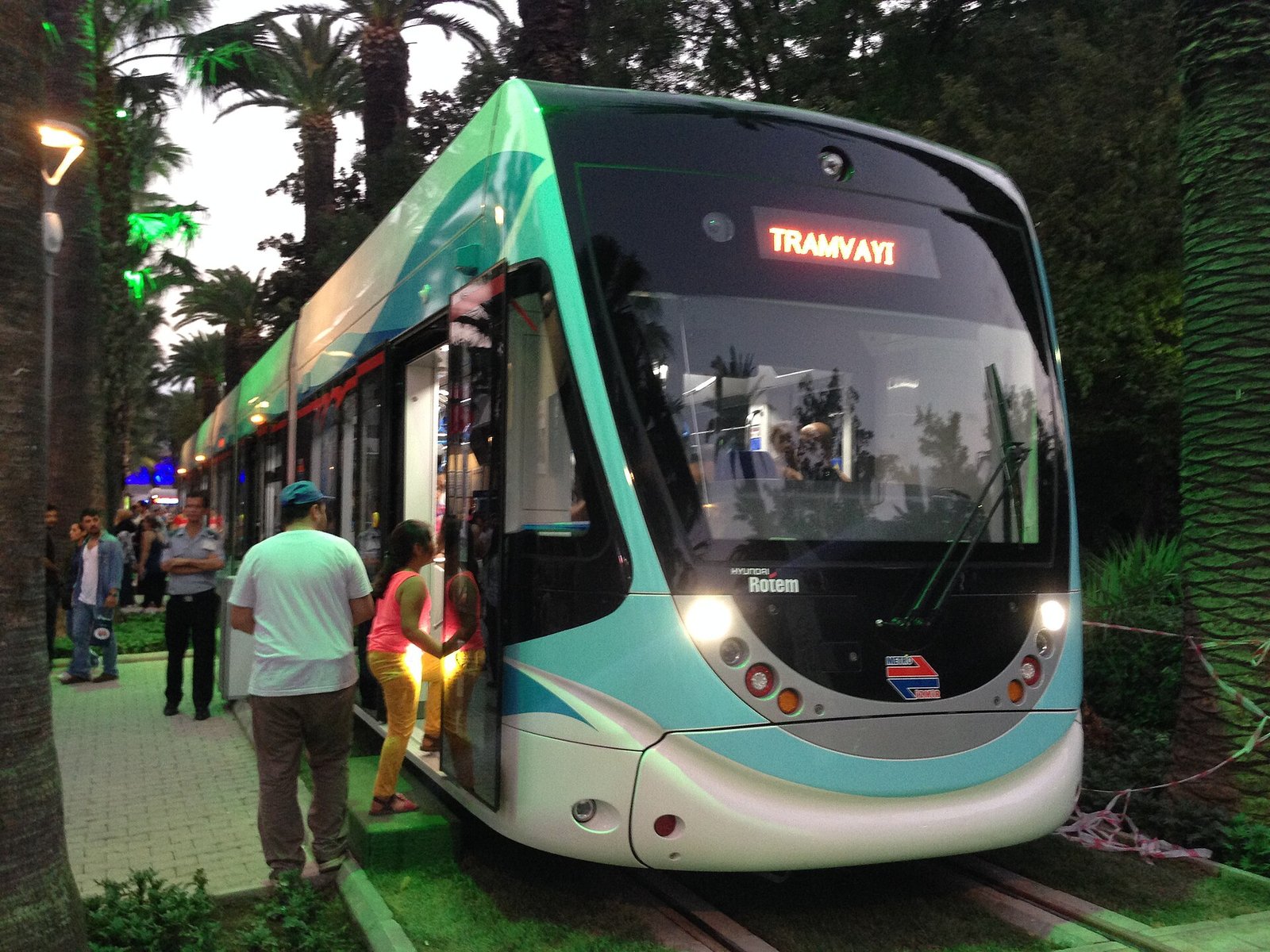
İZBAN carries long north–south journeys and connects with the airport. Metro supports central and east–west movement. Trams serve important coastal corridors. Ferries link the two sides of the gulf and can bypass road congestion.
Think of buses as feeders into these spines rather than a map you must memorise line by line.
Three transfer points worth learning
Halkapınar connects metro, İZBAN and buses. Konak combines ferry, metro, tram and bus services. Fahrettin Altay is important for western districts and several modes.
Explore these places on a quiet day. Knowing which exit reaches which street can save more time than studying another route number.
The ferry is not only a tourist experience
Connections between Karşıyaka, Bostanlı, Konak and Alsancak can be both practical and calmer than road travel. Wind, maintenance or operations may affect services, so do not build an important appointment around the final possible sailing.
Plan the journey after the pier as well. If a tram or walk follows, the ferry arrival is not the end of the trip.
Common bus mistakes
Outbound and return stops for the same number may be on different streets. Check the final destination name, not only the number. Frequencies can fall in the evening and at weekends.
A bus may technically go to Konak but take a route far longer than expected. Confirm the complete path rather than asking only whether it reaches the district.
Airport journeys
İZBAN is a strong option for Adnan Menderes Airport from many areas, but early departures, late arrivals and heavy luggage require alternatives. Include the trip to the station, transfers and the walk into the terminal.
Check balance, distance-based exit procedures and service information the evening before a flight. Add more buffer than you would for a normal commute.
Accessibility and pushchairs
A broken lift or escalator can change the route for wheelchair users and parents with pushchairs. Identify accessible exits in advance. During the peak, one fewer transfer may be more comfortable than the theoretically fastest option.
Plan the night journey before going out
Save the final metro, ferry or İZBAN time before dinner or an event. “We will check later” often becomes an expensive taxi. Aim to reach the station 20–30 minutes before the last service because crowds can slow the walk.
From app dependence to resident habits
Using an app for every step during the first month is normal. Then save three regular journeys: home–work, home–centre and late-night return. Create an A and B plan for each.
İzmir’s network is not perfect, and missed connections happen. But once you see it as spines and transfers rather than a list of vehicles, the city becomes smaller. The best route is often not the one with the shortest predicted time, but the one you can repeat with the least uncertainty.
The network as five functions
| Mode | Best use | Main planning risk |
|---|---|---|
| Metro | Fast east–west central spine | Final-mile connection |
| İZBAN | Long north–south and airport movement | Distance-based balance and longer intervals |
| Tram | Coastal/urban corridor movement | Slower at busy intersections |
| Ferry | Cross-gulf travel with high comfort | Weather and last departure |
| Bus | Coverage and final kilometre | Traffic variability |
With the standard full fare announced at 40 TL in March 2026, a person making two paid boardings on 22 working days has a gross reference of 1,760 TL before transfer benefits. The economic value of a route therefore depends heavily on current transfer rules and whether a special tariff applies.
Build one red and one blue route
Your “red route” is the fastest normal journey. Your “blue route” avoids the most fragile connection. For example, a ferry-based commute can have tram/metro/bus as the land backup. Save both before the first disruption, not while standing at a closed gate.
Official and useful links